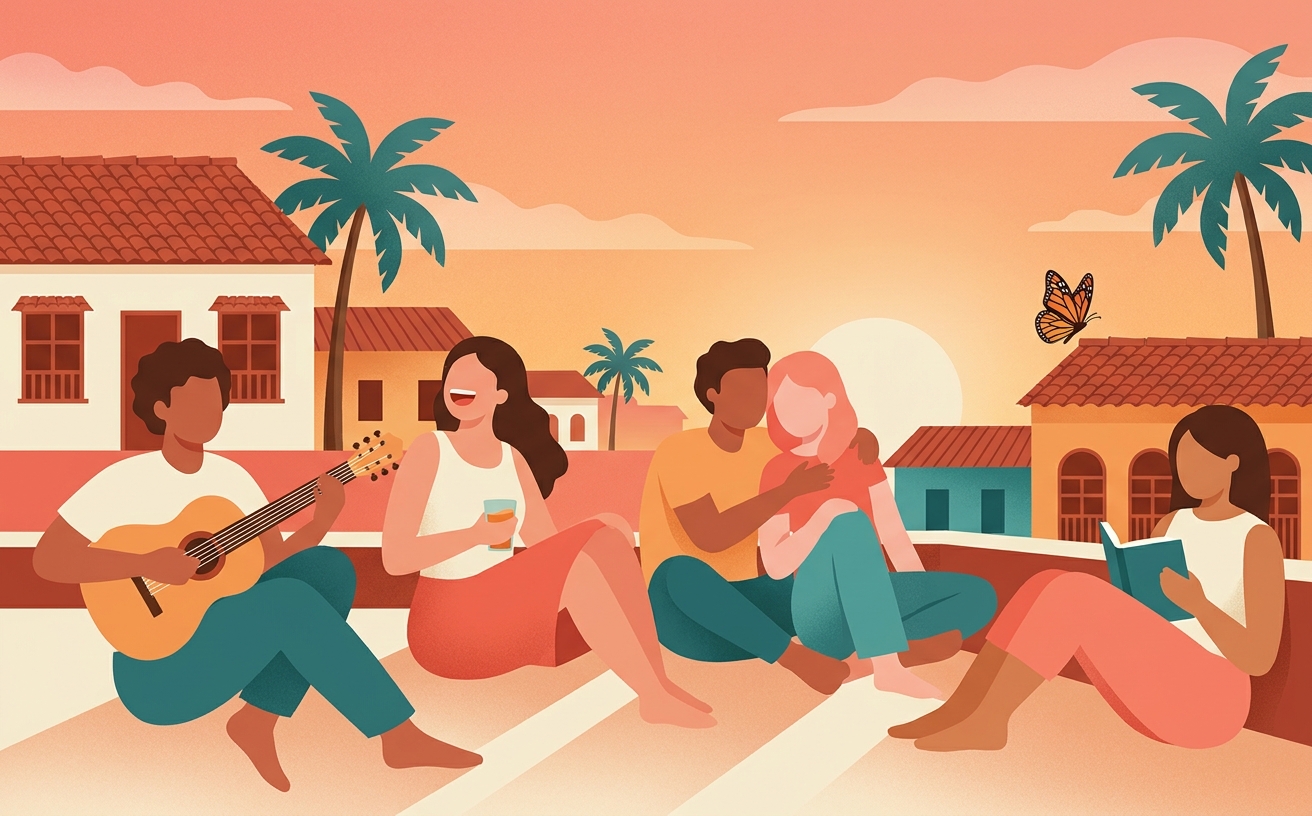
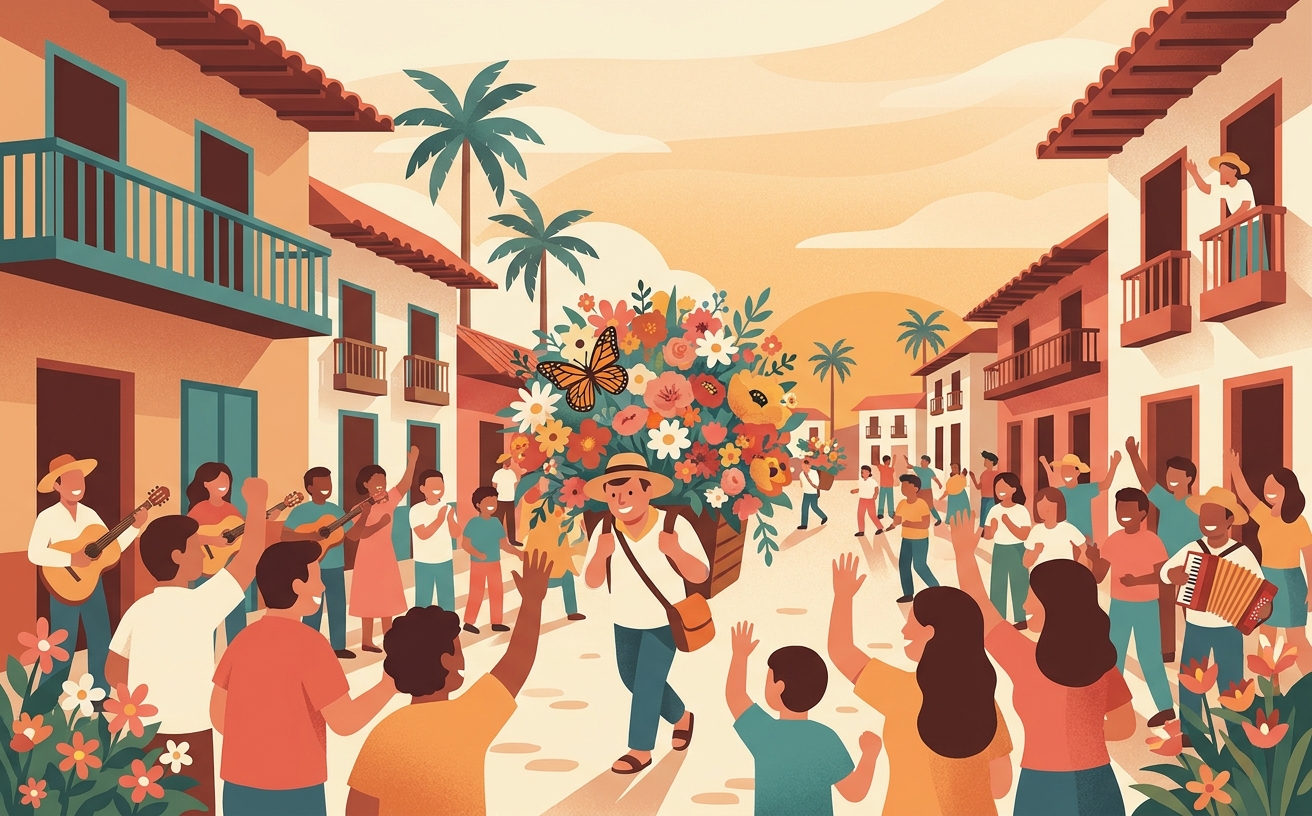
Today’s slang word is “parche”; a term the dictionary would have you believe just means “patch”. In Colombia, it has an altogether more useful meaning too.
While no exact English translation exists for Colombians slang use of “parche”, it roughly means: “a group of friends getting together to do something”.
So, talking about a fun night you had the previous day, you could comment to a buddy:
¡Qué buen parche el de anoche!ENWhat a great hangout that was last night!
Later, another Colombian friend asks you about the plans for the weekend by saying:
Entonces, ¿vamos para la playa este finde o qué?ENSo, are we going to the beach this weekend or what?
You could then hit them back with the nicely Colombian response:
Hágale, a mí me encanta ese tipo de parcheENLet's do it, I love that kind of thing
And the verb “Parchar”
By turning “parche” into “parchar” it becomes the verb “to hang out [with friends]”.
For example:
Nosotros siempre parchamos en el parqueENWe always hang out in the park
Dañaparche – a buzzkiller
A “dañaparche” is the name for someone who ruins (“daña”) the “parche”. It is the Colombian slang version of “aguafiestas”, or “spoilsport”, heard in international Spanish.
In conversation, the term might be used as follows:
Si ustedes van a esa discoteca, yo no voy a ir. Siempre hay mucha fila y me da pereza esperarENIf you guys go to that club, I'm not coming. There's always a long line and I can't be bothered to waitEy, no seas dañaparche. ¡Venga pues!ENHey, don't be a buzzkill. Come on, then!
“Estar desparchado” – to have no social plans
At the other end of the spectrum, “estar desparchado” is the way to describe someone who hasn’t got much going on in their social life, and who is probably a bit down as a result.
Take this joke complaint, for example:
Lo típico: cuando estoy desparchado, hace sol; después me sale un buen plan y llueveENTypical — when I've got nothing going on it's sunny, then a good plan comes up and it rains